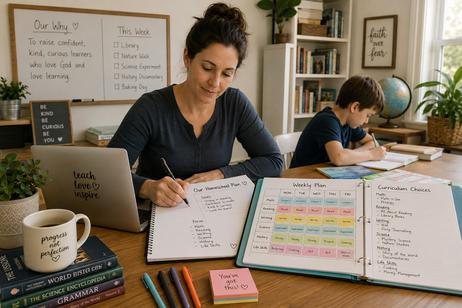
Homeschooling continues to evolve in 2026 as more families seek flexible, personalized educational pathways for their children. While home education offers significant freedom, successful outcomes often depend on thoughtful curriculum planning. Parents who approach homeschooling with a clear academic structure, realistic goals, and adaptable learning strategies are better positioned to create a consistent and enriching educational experience.
Curriculum planning strategies for home-educated students now extend far beyond selecting textbooks. Modern homeschooling frequently includes online learning platforms, project-based instruction, hybrid learning programs, dual enrollment opportunities, and AI-supported educational tools. Families also increasingly combine homeschooling with private school partnerships, microschools, or umbrella programs that provide accountability and support.
For many parents, the challenge is not whether to homeschool, but how to organize a curriculum that balances academic rigor, flexibility, and long-term goals.
Why Curriculum Planning Matters in Home Education
Unlike traditional schools that follow standardized district pacing guides, homeschooling families must independently determine:
- Academic priorities
- Grade-level expectations
- Daily and yearly schedules
- Assessment methods
- Graduation requirements
- College preparation pathways
Without a plan, homeschooling can become inconsistent or overly reactive. A structured curriculum framework helps students maintain academic progress while still benefiting from homeschooling flexibility.
According to the , homeschooling participation remains significantly higher than pre-pandemic levels, reflecting sustained parent interest in customized education models.
Well-designed curriculum planning strategies for home-educated students also reduce parental stress by creating predictable routines and measurable goals.
Start With Long-Term Educational Goals
Effective homeschool curriculum planning begins with the end in mind. Parents should first